Ads
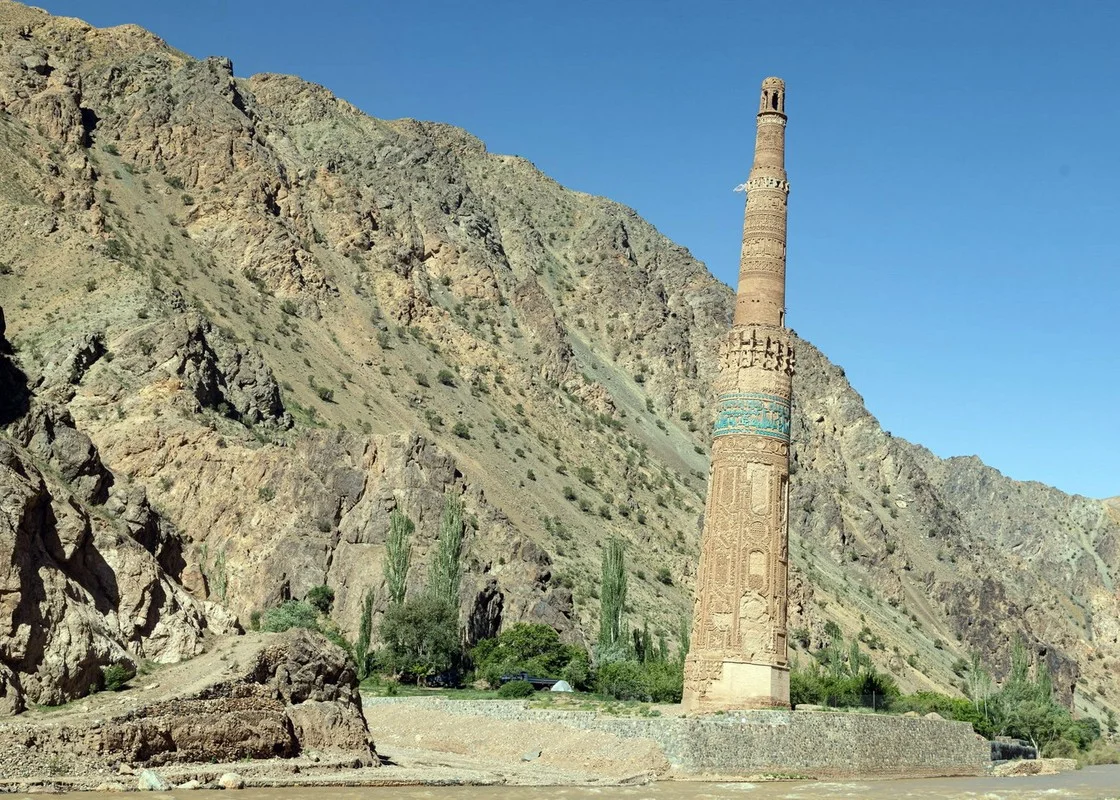
Exploring the Majestic Ancient Architecture of Afghanistan: A Journey Through History and Heritage
2 ngày trước
00Description
Afghanistan is a land of profound historical depth, home to some of the most breathtaking architectural wonders in Central Asia. When we look at the majestic ancient architecture of this region, we are witnessing a legacy that spans millennia, influenced by various empires and cultures along the Silk Road. Among the most iconic structures is the Minaret of Jam, a UNESCO World Heritage site that stands as a testament to the engineering and artistic brilliance of the 12th century. Its intricate brickwork and turquoise tile inscriptions represent a pinnacle of Islamic art. Beyond the minarets, the Great Mosque of Herat showcases the exquisite Timurid style, with vibrant mosaics and sprawling courtyards that have survived centuries of change. These structures are not just buildings; they are stories carved in stone and clay, reflecting the resilience and creativity of the Afghan people. For travelers and history enthusiasts, exploring these sites offers a rare glimpse into a golden age of craftsmanship. The architectural landscape of Afghanistan includes Buddhist stupas, Zoroastrian fire temples, and grand Islamic citadels, each contributing to a rich tapestry of human achievement. Despite the challenges of time and conflict, these ruins and restored monuments continue to inspire awe. This gallery takes you on a visual tour of the most significant landmarks, highlighting the delicate balance between strength and beauty found in Afghan design. From the rugged mountains of Bamiyan to the bustling streets of Herat, the architectural heritage of Afghanistan remains a vital part of the world's cultural history, deserving of preservation and global recognition. Understanding this architecture provides a deeper appreciation for the complex history of the region and the enduring spirit of its builders.
#AfghanistanArchitecture, #AncientHistory, #MinaretOfJam, #UNESCOWorldHeritage, #IslamicArt, #Herat, #TravelHistory, #SilkRoad
Ads
0 comments
Related Posts
Ads