Ads
Sustainable Living in Lam Dong: The House with the Inverted Tile Roof
2 ngày trước
00Description
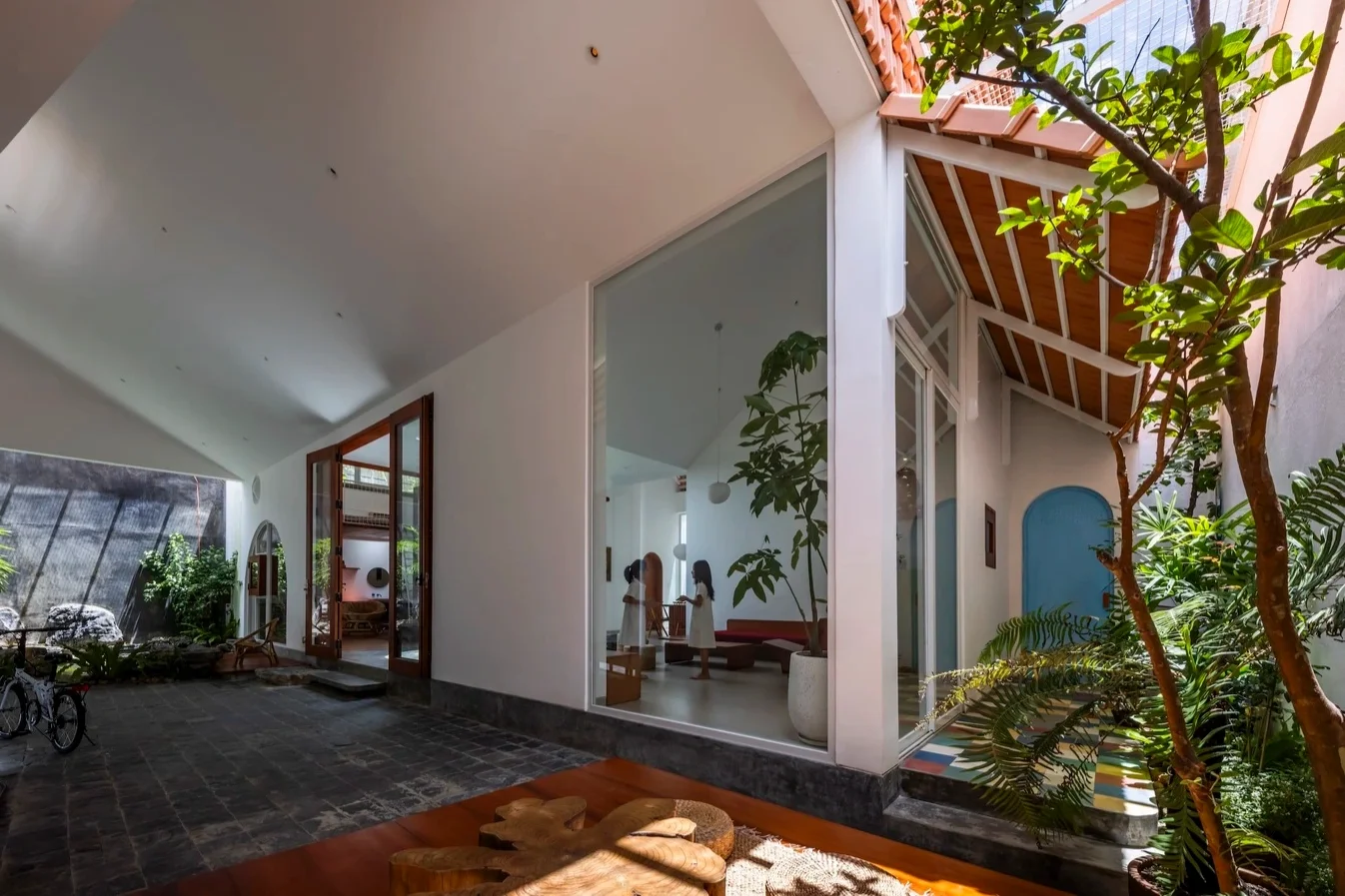
In the scenic highlands of Lam Dong, a province known for its rolling hills and cool climate, sits a house that is turning traditional architecture upside down—literally. This unique residence features an inverted tile roof, a design innovation specifically engineered to serve as a 'wind trap.' In a region where natural ventilation is key to comfort, this architectural feature allows the house to stay cool and well-ventilated without the need for energy-intensive air conditioning. The inverted slope of the roof directs airflow into the heart of the home, creating a natural cooling system that is both eco-friendly and efficient.
Beyond its functional benefits, the inverted roof creates a stunning visual profile that stands out against the lush green landscape of Lam Dong. The house is built using local materials, including traditional clay tiles and sustainably sourced wood, further reducing its environmental footprint. Inside, the layout is open and airy, with large windows that offer panoramic views of the surrounding mountains. The design emphasizes a deep connection with nature, with interior spaces that feel like an extension of the outdoors. This project is a shining example of 'bioclimatic architecture,' where the design is dictated by the local environment and climate. It serves as a blueprint for sustainable building practices in Vietnam’s highlands, proving that we can create beautiful, modern homes that work in harmony with nature rather than against it. For anyone interested in green building and innovative design, the house in Lam Dong is a fascinating study in how traditional materials and smart engineering can come together to create a truly unique living space.
#LamDong, #SustainableArchitecture, #InvertedRoof, #EcoFriendlyHome, #VietnameseDesign, #GreenBuilding
Ads
0 comments
Related Posts
Ads