Ads
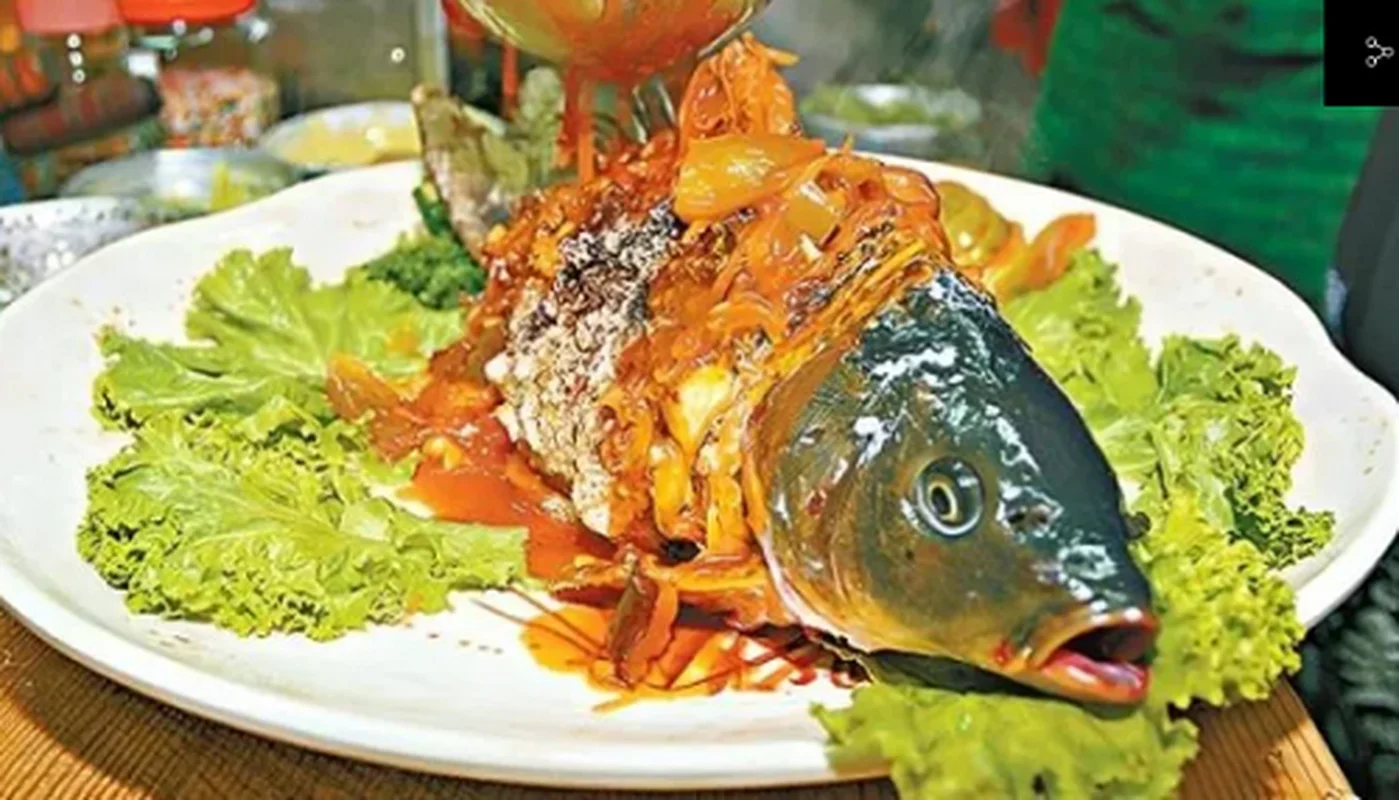
Controversial Delicacies: Why Top Chefs Refuse to Serve These Cruel Dishes
2 ngày trước
00Description
The culinary world is often a place of beauty and innovation, but it also hides a darker side where tradition clashes with modern ethics. In recent years, a growing number of world-renowned chefs have begun to take a stand against dishes that involve extreme animal cruelty, leading to a significant shift in global gastronomy. From the infamous Ortolan bunting in France to the controversial production of Foie Gras, the debate over what constitutes 'fine dining' versus 'animal cruelty' is more heated than ever.
One of the most notorious examples is the Ortolan, a small songbird that was traditionally captured, blinded, and force-fed until it doubled in size before being drowned in Armagnac. The practice was so gruesome that it was eventually banned in France, though it remains a symbol of an era where culinary indulgence knew no moral bounds. Similarly, the production of Foie Gras, which involves the force-feeding of ducks and geese to enlarge their livers, has been banned in several countries and cities, including New York and the United Kingdom, as diners demand more humane treatment of livestock.
Beyond Europe, other controversial practices like shark finning and the consumption of live seafood have also come under fire. Shark fin soup, once a staple of high-end banquets in Asia, has seen a massive decline in popularity as environmentalists highlight the devastating impact on ocean ecosystems and the brutal nature of the 'finning' process. Meanwhile, dishes like 'Ikizukuri'—where seafood is served while still alive—continue to shock Western audiences and lead to calls for stricter animal welfare laws in the kitchen.
For professional chefs, the refusal to serve these dishes is often a matter of personal integrity and a commitment to sustainable cooking. Many argue that true culinary skill lies in the ability to create incredible flavors without resorting to suffering. As the 'farm-to-table' movement grows, the focus has shifted toward transparency, ethical sourcing, and respect for the ingredients. This evolution in the food industry reflects a broader societal change where consumers are no longer willing to turn a blind eye to the origins of their meals. By choosing to exclude these cruel dishes from their menus, chefs are not just following a trend; they are helping to define a more compassionate future for the world of high-end cuisine.
#CulinaryEthics, #AnimalWelfare, #FineDining, #SustainableEating, #FoodControversy, #ChefLife
Ads
0 comments
Related Posts
Ads